Wondering what to feed when your dog has a yeast infection? Then you’re in the right place. Yeast infections in dogs can occur for many reasons, but did you know that it can also be caused and influenced by their diet?
Here at Green Pantry, our natural dog food recipes are made from 100% natural ingredients, helping to address specific health and dietary conditions in your dog. So, if you’ve noticed that your dog seems more agitated with their skin, this blog is for you.
Keep reading for dietary tips & advice when it comes to aiding yeast infections in your dog…
What is a yeast infection in dogs?
First things first, let’s get to grips with what a yeast infection actually is. Also known as yeast dermatitis, a yeast infection is a broader term for when there is a build up of fungal yeast living on your dog’s skin, usually in warm, moist areas like their paws, ears, and skin folds. They’re usually a bit more common with senior dogs, largely due to a weaker immune system and more risk of underlying health issues. However, it can occur in adult dogs and puppies, too.
It usually presents itself in their skin and coat, and you might notice your dog itching and scratching more than usual. Full symptoms might include:
- Irritation, itching, and redness
- An awful smell (particularly from their ears)
- Black spots on their skin
- More fidgety behaviour, such as licking or scratching
- Greasy or oily skin
- A thinning coat due to over scratching
- Low mood
A dog’s diet and yeast infections: Are they linked?
Yeast infections can occur for a variety of different reasons, including:
- Genetics – dogs with more skin folds, like an English Bulldog, are more at risk of getting yeast infections)
- An ongoing illness
- Exposure to too many yeast-promoting foods in their diet
- Allergies
- An imbalance of bacteria
- Moisture buildup from trapped water
However, diet can play a very important role. There are certain foods that can soothe or heighten symptoms of a yeast infection, especially those that are high in sugars and simple carbohydrates. If you’re really struggling to maintain your dog’s infection, then we suggest experimenting with their diet and adding in natural dog supplements.
What to feed when your dog has a yeast infection
If you are trying to figure out a new diet for your dog, then there are a few things that we recommend. First of all, ensure you’re following the correct dry food feeding guidelines. You should then be aware that yeast loves sugar, so avoid foods and treats loaded with refined carbohydrates. Swap out your unhealthy dog treats for Green Pantry’s natural dog treats, instead! Stick to the following guidelines:
- Foods with low glycemic index – Opt for a food that has vegetables and legumes. Ensure you’re avoiding sugars, as these are more likely to produce yeast and feed the problem. High-meat, low-carb diets are generally recommended.
- Healthy fats – Healthy fats, including salmon, which contains omega-3, help to reduce inflammation in your dog and contribute to healthier skin.
- High-quality protein – Lean and nutritious proteins will maintain your dog’s physical health and help support muscle strength and growth, without promoting yeast production.
- Probiotics – These can work wonders in supporting your dog’s gut health and digestive care, helping to balance the amount of healthy bacteria in their gut. This can also improve immunity and improve equilibrium in the body.
What is the best dog food for yeast infections?
As we can see, nutrition is key when it comes to building up your dog’s immune system and ensuring they’re less at risk of developing a yeast infection. That’s why you should choose high-quality and premium dog food that has been specially formulated to target dogs with health conditions. Unlike other dog foods, specialist dog food will be made up of beneficial and non-triggering ingredients that are gentle on tummies and will nourish your dog from the inside out.
Here at Green Pantry, we’ve got just the thing. Our experts recommend Green Pantry’s Chicken with Pumpkin and Apple, Supporting Skin and Coat natural dog food. This recipe has been created to help itchy, dry skin and promote a healthier coat, meaning your dog can spend less time itching and more time playing!
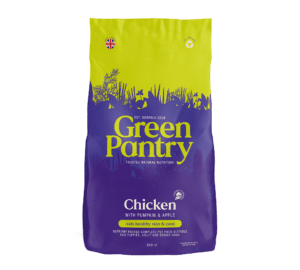
Chicken and linseed are rich in omega 3, while apple and pumpkin help to maintain skin and coat health. A small sprinkling of cranberries naturally help to maintain a healthy urinary tract.
For more advice when it comes to your dog’s coat and skin, you might be keen to find out what to feed dogs with itchy skin.
Why do our experts recommend Green Pantry dog food for skin problems?
Molly Nornam, Dog Groomer and owner of Groomtastic, Suffolk, tells us about the importance of a healthy diet when it comes to yeast infections in dogs.
She says: “As a professional dog groomer, I see yeast infections regularly, and one of the biggest factors behind them is diet. Yeast thrives on sugar and highly processed carbohydrates, which are common in many commercial dog foods and can disrupt gut health and weaken the immune system. When a dog’s diet isn’t supporting them properly, it often shows up through itchy skin, red patches, greasy coats, and recurring ear or paw issues.
A balanced, natural diet made with quality ingredients helps restore internal balance, reduce inflammation, and support healthier skin and coats. From my experience, addressing diet is essential for managing yeast long-term. Grooming can help relieve symptoms, but real change starts from the inside.”
Choose Green Pantry for a healthier dog!
And there you have it… What to feed your dog when it has a yeast infection. Remember, diet is extremely important in managing symptoms and keeping future yeast infections at bay. If you’re especially worried, a vet should be able to guide you through the process of treating dogs who get frequent yeast infections.
Here at Green Pantry, our natural recipes are designed to aid your dog through their health struggles. Discover exactly what’s in the pantry today and see exactly which freshly prepared ingredients we use. We want your pet to live their absolute best life – start your journey with us today!
Just simply get in touch or call us on 01553 811 320. A member of our team will be more than happy to chat with you on the phone and address any concerns you may have about your beloved dog.